
Air Force (mostly) ditches Biden-era ‘reoptimization’
New leadership under the Trump administration has opted to kill key organizational changes sought by former Air Force Secretary Frank Kendall, leaving just a handful of initiatives intact.
New leadership under the Trump administration has opted to kill key organizational changes sought by former Air Force Secretary Frank Kendall, leaving just a handful of initiatives intact.

The Goldwater-Nichols Act has resulted in "a pervasive pattern within the military of neglect of long-term defense procurement strategies and requirements," the Mitchell Institute argues in a new policy paper.


Throttleable systems, boost-phase interception, and new manufacturing capacity expand missile defense options.

If the Army heeds industry's emphasis on protecting intellectual property than a dependence on proprietary technology will hamstring FVL’s ability to address evolving threats.

DoD needs to lower the barriers to larger defense market opportunities that go beyond R&D, extending into the full lifecycle of defense systems, argues Christopher Zember.


Data protection solutions are key to the JADC2 goal of an interconnected tactical network that enables the sharing of sensor data among all military branches in every domain.


A flight-proven tiltrotor and advanced helicopter are the optimum solutions for transformational air assault and attack/recon.


Architecture that linked sensors, C2, RF effects, and lasers into a distributed c-UAS kill chain.


The U.S. Space Force’s Space Systems Command and Raytheon Intelligence & Space are enhancing mission management and mission-data processing to shift the focus of GPS operations from satellite command and control to basic, user-oriented effects-based operation.

"Our analysis of the FY22 budget and the strategy that we think the Biden administration is going in, it is trying to do too much with too little," says Becca Wasser of CNAS.

"China is a second-tier cyber power but, given its growing industrial base in digital technology, it is the state best placed to join the US in the first tier," an IISS report says.

"The proactive, nefarious work coming from China and Russia in particular [will make US policymakers] “realize that we don't have control over everything that we think we have control over,” Tara Murphy Dougherty, CEO of Govini said


Lightning Surge exercises are turning soldier feedback on NGC2 into operational software changes in days, not years.
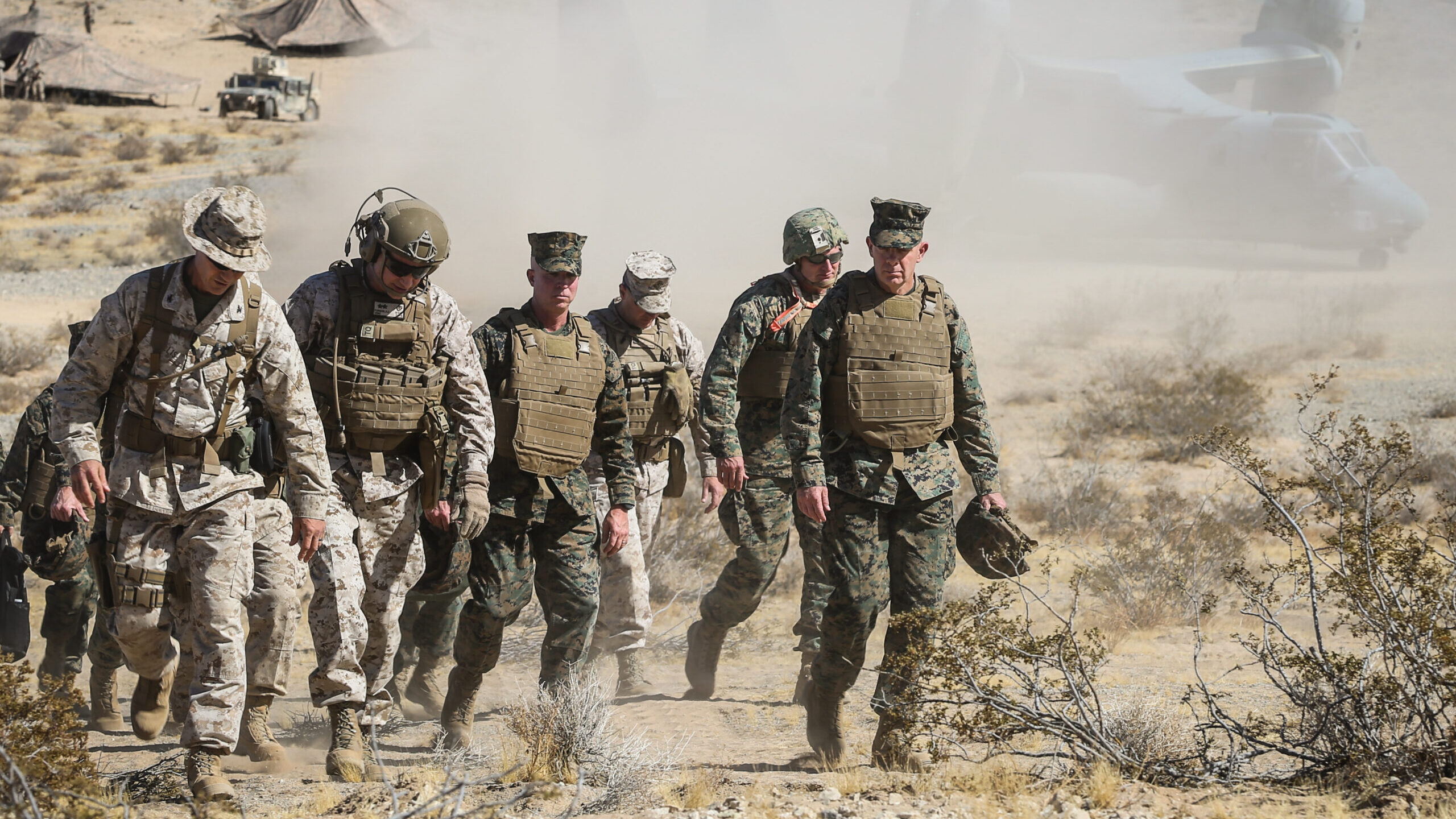
The document outlines an evolving effort to stand up a series of small, agile units tasked with air defense, anti-ship and submarine warfare, and seizing, holding and resupplying ad hoc bases to support an island-hopping campaign in the Pacific.
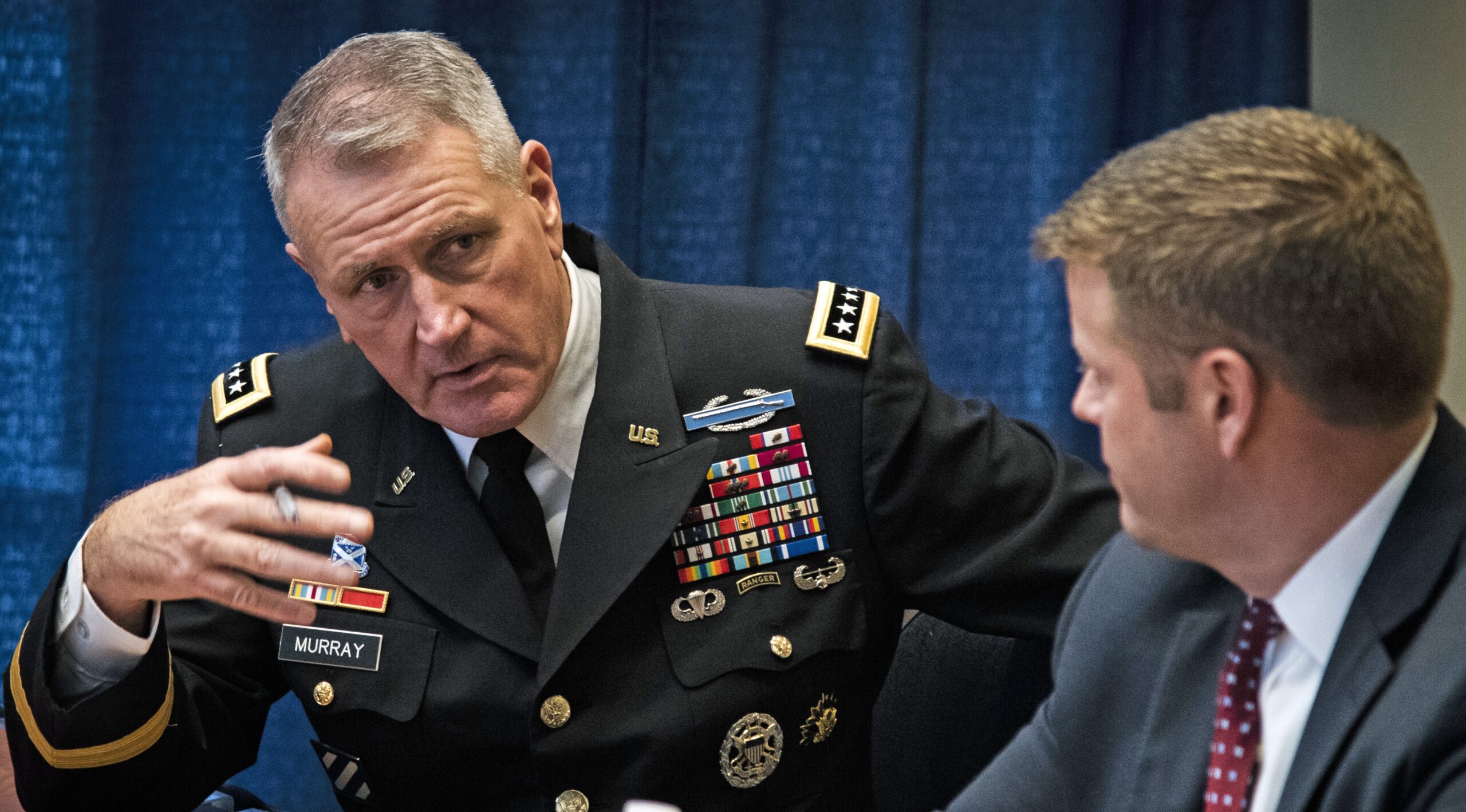
“The Chinese see competition as a whole of government effort [and] they're actually pretty good at it,” the Army Futures Command Chief told us. “We’re way out of practice.”

Everything from social media to military advisors to open war is a potential tool of great power competition, Gen. James McConville writes — and the Army plays a vital role across that entire spectrum.
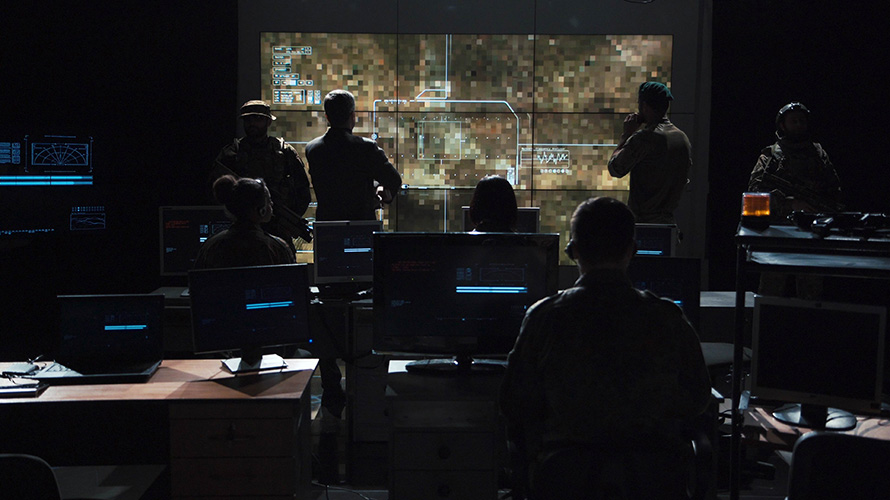
America's inability to progress beyond "Cold War capabilities" in this "most important environment to modern warfare" follows three EMS strategies over eight years. "They weren't bad strategies," experts agreed, but DoD simply failed to fully implement them. Now GAO is warning the latest strategy, just months old, may face the same fate.